Home Security
March 25, 2026
CCTV Installation in Harlow: A Practical Guide for Homes and Businesses
4mins
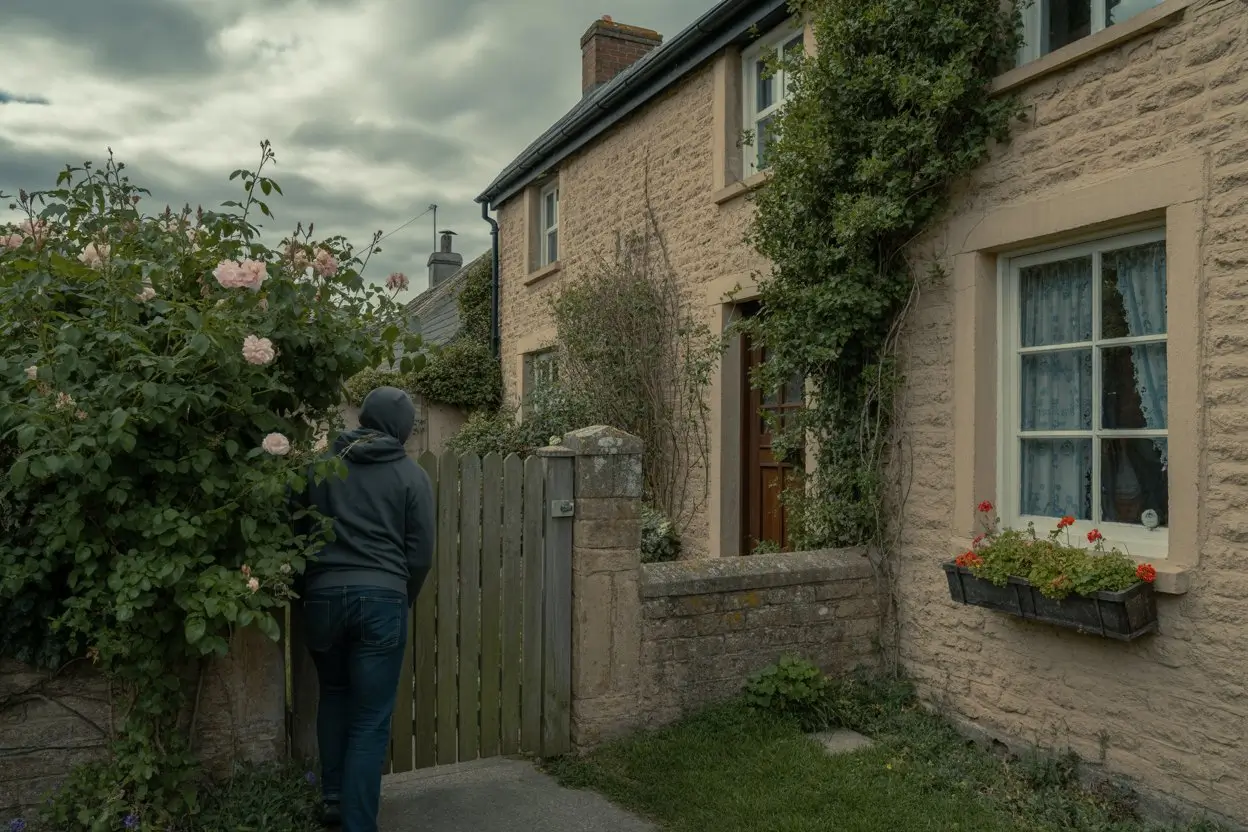
Many homes have simple home security weak spots that go unnoticed. The good news: you can fix most of them with small changes, a few affordable upgrades, and better habits. This guide shows you where risk hides and the exact steps to tighten things up.
Start with one area today, then move through the list over a week. Little wins add up.
We trust solid doors and a visible alarm box. Yet small gaps in routine, fittings, and set-up give easy openings. Think letterboxes, side gates, old window locks, or a router still on the factory password. Close the easy gaps first. They give the best return for time and money.
Typical issues: weak cylinders that can be snapped, no deadlock, keys visible through the letterbox, loose strike plates.
Fix it:
Fit a 3-star, anti-snap cylinder and a BS 3621 mortice deadlock on main doors.
Add a letterbox cage or restrictor. Never leave keys on the hall table.
Replace short screws in hinges and strike plates with 75 mm screws to bite the stud.
Install a door viewer and a door chain or limiter.
Typical issues: old latches, no laminate on ground floor panes, sliding doors that lift off the track.
Fix it:
Add keyed locks to accessible windows. Consider PAS 24 rated replacements when you next upgrade.
Fit anti-lift blocks and secondary locks on sliders.
Use laminated glass on ground floor and accessible windows for added delay.
Close and lock windows when you leave, even for five minutes.
Typical issues: weak padlocks, low gates that can be hopped, sheds holding tools that could be used on your doors.
Fix it:
Raise gate security: solid hasp and staple, closed-shackle padlock, hinges bolted and capped.
Fit a dusk-to-dawn light by the side path.
Anchor bikes and ladders inside with a ground or wall anchor.
Mark tools and record serial numbers.
Typical issues: default router password, no firmware updates, weak app logins, cloud accounts without two-factor protection.
Fix it:
Change the router admin password and the Wi-Fi password.
Turn on WPA2 or WPA3 encryption and hide or rename the network if it gives away your address.
Update router and camera firmware quarterly.
Use two-factor authentication on alarm and camera apps.
Create a guest network for visitors and smart devices.
Typical issues: sensors where pets trigger them, cameras too high or pointing at the sky, no signage, siren not linked.
Fix it:
Place cameras to capture faces at 1.6–1.8 metres and key approach routes.
Add clear signage and a live external siren.
Test sensors and create pet-friendly zones.
Set alerts you will act on, not dozens that you ignore.
Typical issues: keys or car fobs near the door, parcels stacked in view, “we are away” notes for couriers.
Fix it:
Store keys away from doors and windows, ideally in a metal key box.
Use a lockable parcel box or a trusted neighbour for deliveries.
Avoid notes that advertise absence. Use in-app instructions instead.
Typical issues: high hedges or bins that give cover, lights that do not reach side paths, house numbers hard to see.
Fix it:
Trim hedges to keep sightlines from the street.
Fit motion lights at 2–2.5 metres, covering gates and the drive.
Make your house number clear for fast emergency response.
Typical issues: keys under pots, unchanged codes for years, too many people know the alarm PIN.
Fix it:
Do not hide keys outside. Leave a spare with someone you trust.
Change door and gate codes every six months.
Use different PINs for family and trades, then revoke them when no longer needed.
Typical issues: public posts about holidays, photos that show layouts or high-value items, voicemail that states the house is empty.
Fix it:
Post trip photos after you return.
Keep profiles private and avoid wide shots that show the alarm keypad or camera positions.
Keep voicemail neutral.
Typical issues: relay theft from keyless fobs left near doors and windows.
Fix it:
Store fobs in a signal-blocking pouch.
Turn off keyless entry in the car settings if possible.
Park on the drive behind a gate or use a steering lock for a visible barrier.11) Weak admin: no log of what you own
Typical issues: no record of serial numbers, no photos for insurance, no idea what it would cost to replace.
Fix it:
Photograph key rooms and items.
Record serial numbers for bikes, tools, and tech in a secure note or app.
Keep receipts or screenshots of invoices.12) Night routine and quick checks
Typical issues: windows left on latch, shed open, alarm not set, car unlocked on the drive.
Fix it:
Use a 60-second “lock up” habit each night: doors, windows, side gate, shed, alarm, car.
Keep a small torch by the door for a final check.
Front and back doors locked, deadlock set
Keys and fobs away from doors and windows
Windows closed and locked
Side gate locked, motion light working
Alarm armed, cameras recording
Car locked, fob in pouch
Change your router and Wi-Fi passwords.
Fit a letterbox restrictor and move keys out of sight.
Add anti-snap cylinders to main doors.
Buy a signal-blocking pouch for car fobs.
Walk the boundary at night and fix any dark spots with lighting.
Most break-ins exploit small gaps, not high-tech tricks. Upgrade the easy points, set clear habits, and test your set-up each quarter. A few sensible steps will make your home a harder target without spending a fortune.


Copyright © 2026. Assured AV Security. All rights reserved.